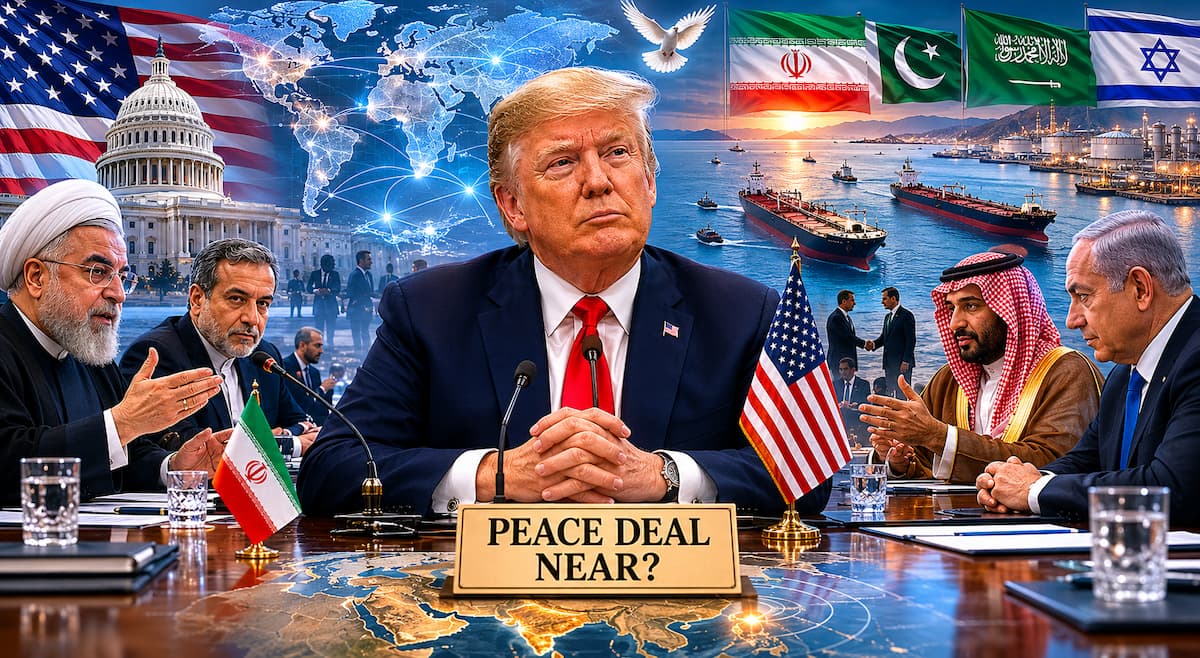
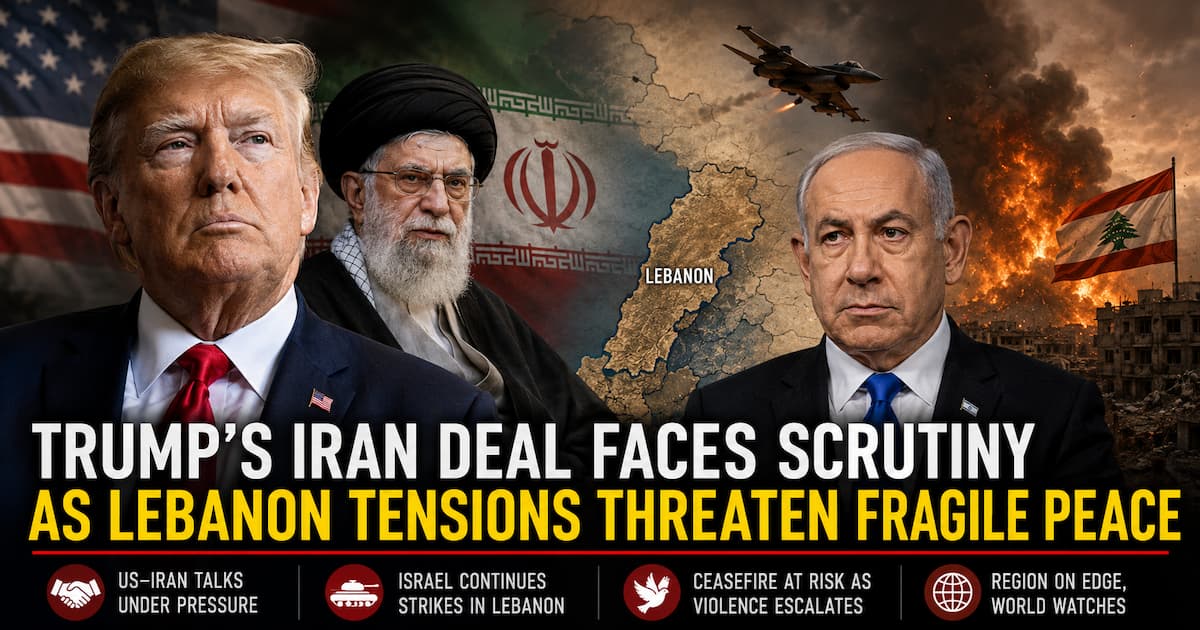
The fragile prospect of peace between the United States and Iran is once again under intense scrutiny, with growing fears that escalating tensions in Lebanon could derail any potential breakthrough. As discussions around a possible ceasefire or diplomatic agreement continue, political leaders, analysts, and citizens across the Middle East are questioning whether the devastating conflict was ever worth the enormous human and economic cost.
Back in January 2020, US President Donald Trump famously wrote on social media that “Iran never won a war, but never lost a negotiation.” Years later, that statement has resurfaced as Trump once again uses social media to shape the narrative around the ongoing crisis. If a new agreement between Washington and Tehran is reached in the coming days, attention will quickly turn to who truly benefited from the negotiations and whether the United States can claim any real victory.
The debate is already becoming increasingly heated in American political circles. Former US secretary of state Mike Pompeo, who served during Trump’s first administration, criticised the reported deal almost immediately, describing it as “not remotely America First.” His remarks sparked a sharp response from Steven Cheung, the White House communications director and a close Trump ally, who publicly lashed out at Pompeo in a fiery online exchange.
Meanwhile, Iran has also been aggressively shaping public perception of the conflict. A spokesperson linked to the Iranian military shared an AI-generated image depicting Trump kneeling before the late Iranian Supreme Leader Ayatollah Ali Khamenei. The image, captioned “the end,” highlighted how Tehran views the current negotiations — not as a defeat, but as a moment of strength and resistance.
However, one of the biggest obstacles to lasting peace may not lie directly between the US and Iran, but in neighbouring Lebanon. Israeli Prime Minister Benjamin Netanyahu recently stated that Trump had reaffirmed Israel’s right to defend itself “against threats on every front, including Lebanon.” That message strongly suggests Israel intends to continue targeting Hezbollah positions despite broader diplomatic efforts in the region.
This issue is particularly sensitive because Lebanon became deeply entangled in the conflict after Hezbollah launched attacks on Israel in support of Iran earlier this year. Although an earlier ceasefire announcement caused confusion over whether Lebanon was included, Israel maintained that operations against Hezbollah were separate from negotiations involving Iran.
The consequences were severe. Israeli forces intensified airstrikes across Lebanon, reportedly hitting more than 100 targets within minutes during one major operation. Hundreds of people were killed, including civilians, women, and children, further fuelling anger across the region and drawing international concern.
President Trump later urged Netanyahu to show restraint, and a temporary ceasefire in Lebanon was announced during talks involving US, Israeli, and Lebanese officials in Washington. Hezbollah, however, was not involved in those negotiations and has continued rejecting the process.
Now, analysts warn that renewed Israeli military action in Lebanon could threaten any future US-Iran peace deal. Iranian President Masoud Pezeshkian has already accused Israel of being the primary source of instability in the Middle East, claiming Tehran does not seek wider conflict.
With tensions still high and mistrust running deep, the coming days may determine whether diplomacy can finally calm the region — or whether another cycle of violence is about to begin.