
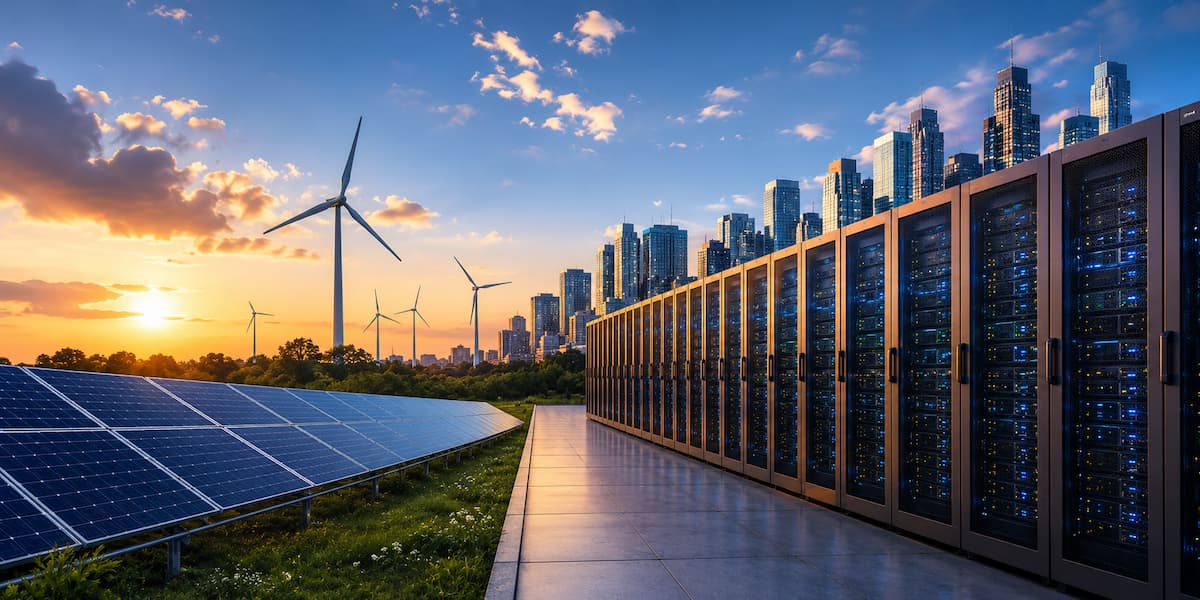
Australia’s rapidly growing data centre industry is emerging as a major challenge for the nation’s energy system, with climate experts warning that rising electricity demand could increase power prices and complicate efforts to meet emissions reduction goals.
A new report from the Climate Council has highlighted the risks associated with Australia’s booming data centre sector, which continues to attract significant investment from global technology companies. The country currently ranks among the world’s leading destinations for data centre development, second only to the United States, as businesses race to expand infrastructure needed to support artificial intelligence, cloud computing, and digital services.
According to the report, Australia is home to more than 160 operational data centres, while around 90 additional facilities are either planned or under construction. Much of this growth is being driven by the rapid adoption of artificial intelligence technologies, which require enormous computing power and energy resources.
While the sector is expected to deliver economic benefits and strengthen Australia’s digital capabilities, experts say the surge in electricity consumption could place additional pressure on the national power grid. Data centres currently account for approximately 2 percent of electricity usage across the eastern Australian grid. However, energy demand from the industry is forecast to triple by 2030, reaching levels comparable to the total electricity consumption of every household in Victoria.
The impact is already being felt in key states. Electricity demand from data centres has nearly doubled in Victoria over the past year, while New South Wales has recorded an increase of around 18 percent. These trends are expected to continue as new facilities come online and AI-related infrastructure expands.
Climate Council experts argue that without sufficient investment in renewable energy generation and battery storage, the additional demand could place upward pressure on electricity prices. The report estimates that wholesale electricity costs in some parts of eastern Australia could potentially rise by as much as 26 percent by 2035 under a worst-case scenario where the demand for energy is rising quickly, but the supply of renewable energy is not keeping up.
Energy specialists stress that the solution is not to halt data centre development but to ensure that new projects contribute directly to expanding clean energy infrastructure. Advocates are calling on governments to introduce policies requiring data centre operators and major technology companies to help fund renewable energy projects that can offset their growing electricity consumption.
Supporters of the proposal believe such measures would allow Australia to continue benefiting from digital investment while maintaining progress toward its climate commitments. By linking future data centre growth to renewable energy expansion, policymakers could reduce pressure on consumers, support grid reliability, and accelerate the transition away from fossil fuels.
As Australia positions itself as a global technology hub, the debate highlights the challenge of balancing economic growth, energy security, and environmental sustainability. The coming years will likely determine whether the nation can successfully manage the energy demands of the AI revolution while keeping electricity affordable and emissions on track.