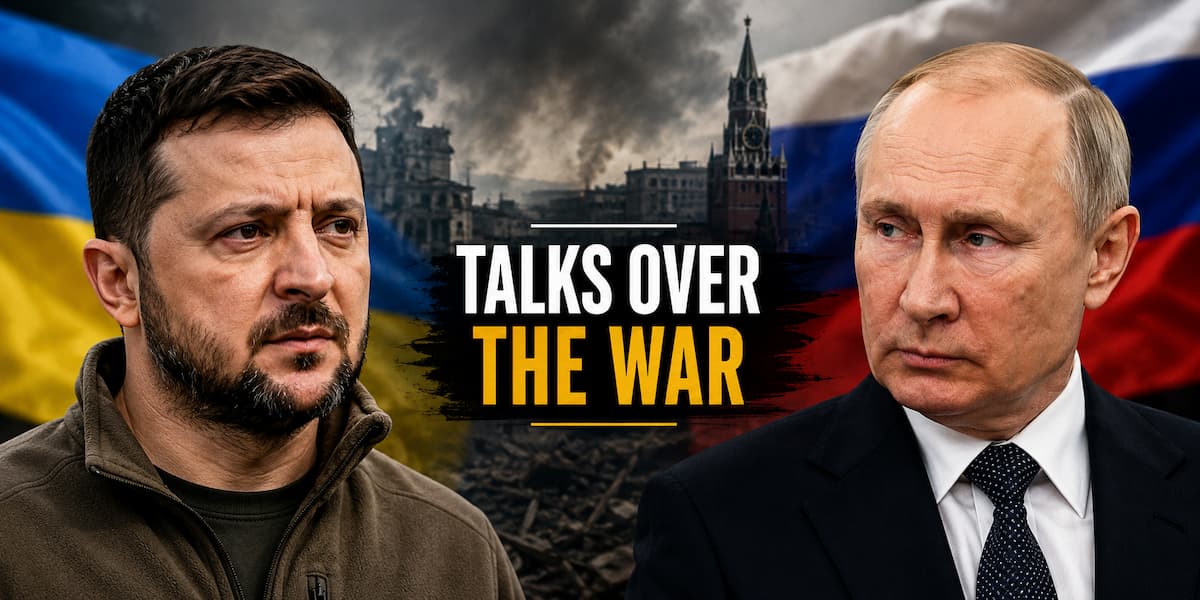
Ukrainian President Volodymyr Zelensky has publicly called for direct negotiations with Russian President Vladimir Putin, marking a significant diplomatic move as the prolonged conflict between the two nations continues to reshape regional security and global politics.
In an open message addressed to the Russian leader, Zelensky urged a face-to-face meeting aimed at exploring a pathway toward peace. The appeal comes at a time when the war remains intense, with both sides continuing military operations while also facing growing economic and political pressures.
The Ukrainian president emphasized that waiting for international powers to refocus their efforts on ending the conflict may not be a practical strategy. With global attention increasingly divided by other geopolitical crises, Kyiv appears determined to take a more proactive role in seeking diplomatic solutions.
Battlefield Dynamics Continue to Shift
Ukraine has reportedly improved its long-range strike capabilities, enabling attacks deeper into Russian territory and placing additional pressure on Moscow’s military infrastructure.
At the same time, Russia has intensified aerial assaults across Ukraine, using missile and drone strikes to target critical locations. These attacks have highlighted Ukraine’s ongoing challenges in defending against long-range weapons despite continued support from Western allies.
Russian President Vladimir Putin acknowledged that Ukrainian drone operations have caused damage inside Russia and stated that strengthening the country’s air-defense network has become a priority. According to Russian officials, efforts are underway to enhance defensive capabilities and reduce vulnerabilities exposed by recent attacks.
Economic and Military Pressure Mounting
The latest developments coincided with Russia’s annual economic forum in St. Petersburg, an event designed to attract investment and showcase the country’s economic outlook. Reports indicated that Ukrainian drone activity disrupted the atmosphere surrounding the gathering, drawing attention to the conflict’s expanding reach.
Meanwhile, Zelensky argued that Russia is facing increasing wartime pressures. He pointed to economic challenges, rising costs, supply concerns, and the need for additional troop mobilization as signs that the conflict is placing a growing burden on Moscow.
The Ukrainian leader also claimed that Russian military casualties remain significant, although independent verification of such figures remains difficult. He acknowledged that Ukraine continues to endure losses as well, underscoring the heavy human cost of the war on both sides.
Renewed Focus on Diplomacy
Despite the ongoing fighting, both Kyiv and Moscow have continued to discuss the possibility of negotiations. Zelensky proposed a comprehensive ceasefire during any future talks, suggesting that a halt in hostilities could create conditions for meaningful dialogue.
As a confidence-building measure, Ukraine has also called for a large-scale prisoner exchange involving all detained personnel. Additionally, Kyiv has renewed requests for the return of civilians and children displaced during the conflict.
International reactions to the proposal have been cautious but generally supportive. Observers believe that direct discussions between the two leaders could help reduce tensions, although major disagreements remain over territorial issues, security guarantees, and the broader framework for a long-term settlement.
Outlook for the War
Now well into its fifth year, the Russia-Ukraine conflict remains one of the most significant geopolitical crises in the world. While military operations continue on multiple fronts, diplomatic initiatives are increasingly gaining attention as both sides face mounting costs.
Whether Zelensky’s proposal will lead to a direct meeting with Putin remains uncertain. However, the invitation signals a renewed effort to explore negotiations at a time when the conflict appears to be entering another pivotal stage.